
Adjustable Bed HSA Eligible: Which Medical Conditions May Qualify for HSA Funds?
 Bloomehome
October 22, 2026
0 Comments
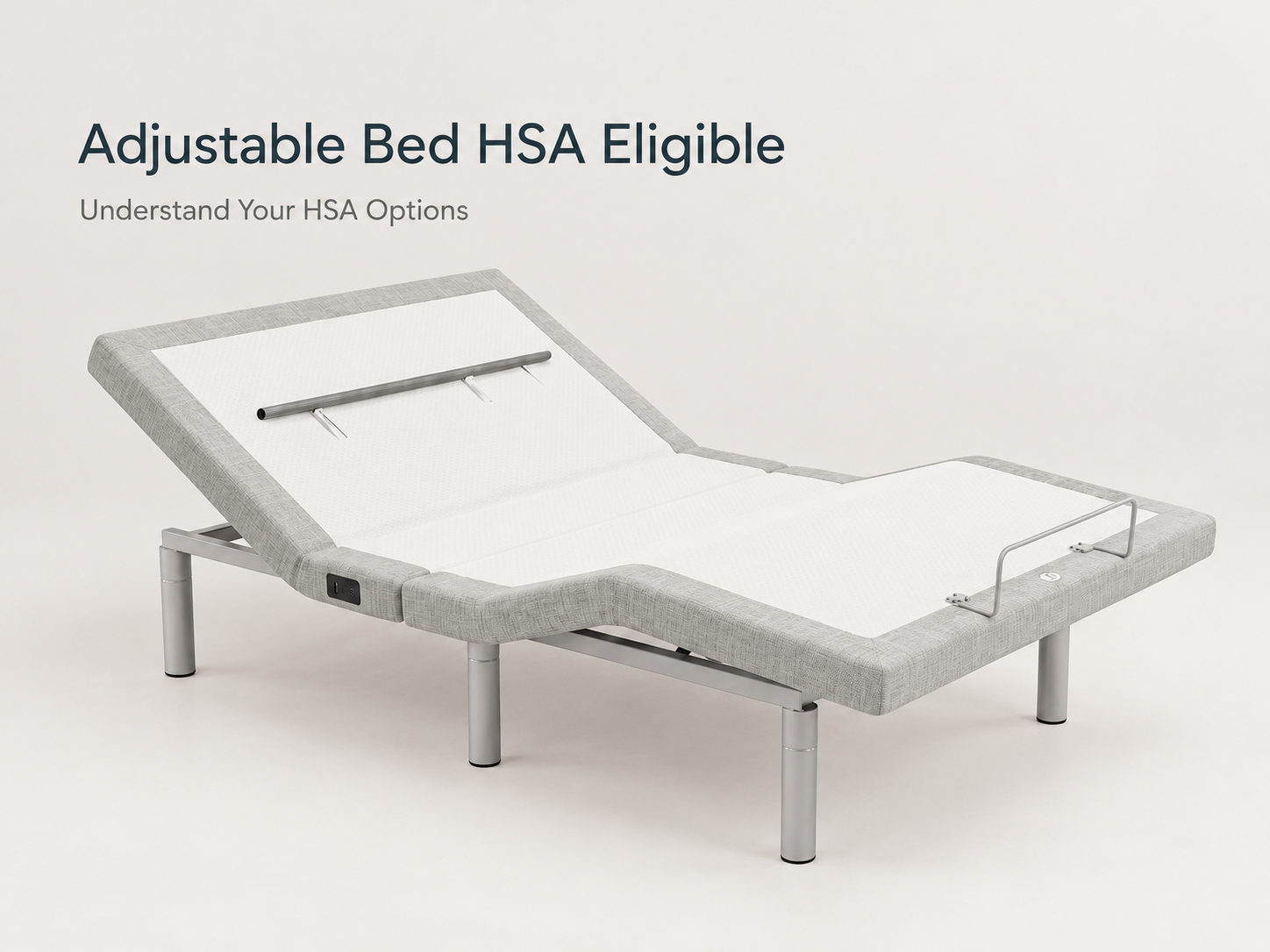
For people managing ongoing health concerns, finding a comfortable sleeping position can be more than a matter of preference. Certain medical conditions make lying flat uncomfortable, increase nighttime symptoms, or create difficulties when getting into and out of bed. An adjustable bed base can offer positioning options that may support a person’s care plan.
If you are researching Adjustable Bed HSA Eligible options, it is important to understand the relationship between medical necessity, a Letter of Medical Necessity (LMN), and Health Savings Account (HSA) funds. Depending on your circumstances and applicable requirements, an adjustable bed may qualify as a medical expense when prescribed or recommended for a specific health need.
At Bloome Home, the focus is on combining adjustable positioning, durable construction, and dependable performance to help people find a more comfortable position while resting.
How Can an Adjustable Bed Base Support Different Health Conditions?
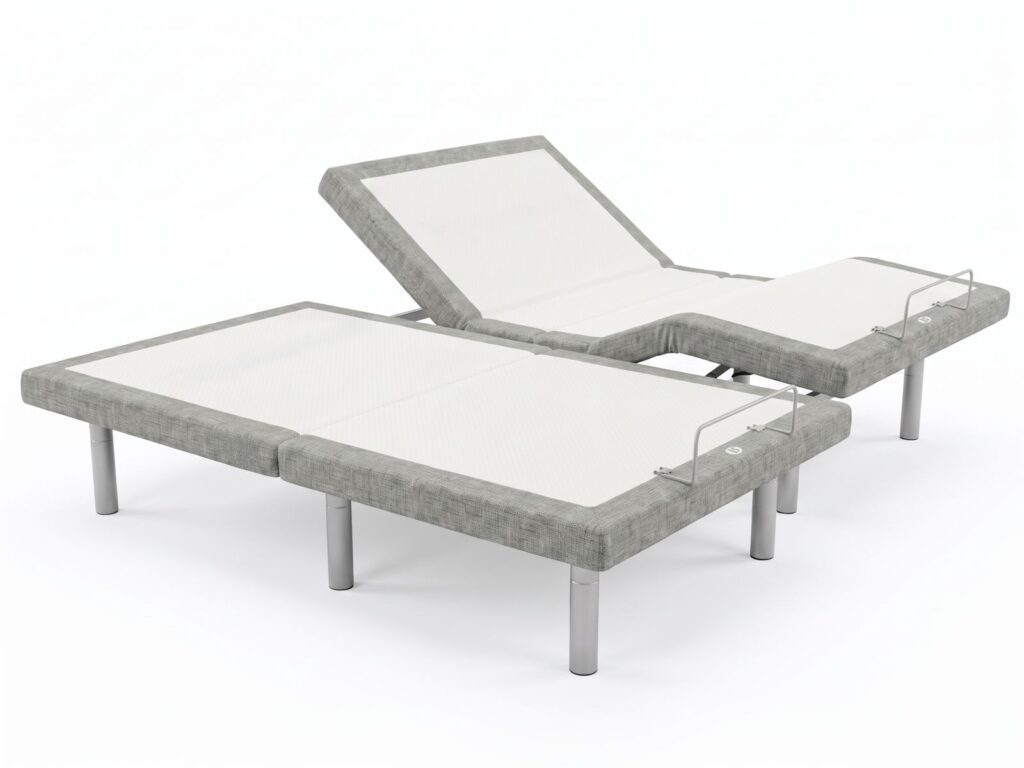
An adjustable base allows the head and legs to be raised or lowered to create different resting positions. Depending on the condition, these adjustments may help reduce discomfort or make certain activities, such as getting out of bed, easier.
Here are several groups of health conditions where adjustable positioning may have a relevant clinical purpose.
1. Digestive Conditions and Nighttime Reflux
Gastroesophageal reflux disease (GERD), chronic acid reflux, and hiatal hernia can cause symptoms that become more noticeable when a person lies flat. Elevating the head of the bed may help reduce nighttime reflux for some individuals.
A clinician may consider whether upper-body elevation is appropriate as part of an individual’s management plan. The benefits depend on the person’s diagnosis and symptoms.
2. Breathing and Respiratory Conditions
Some people experience difficulty breathing comfortably while lying flat. Conditions that may warrant assessment include:
- Obstructive sleep apnea, particularly certain positional cases
- Chronic obstructive pulmonary disease (COPD) and other chronic respiratory diseases
- Congestive heart failure associated with orthopnea, or breathlessness when lying down
- Nocturnal asthma and chronic rhinosinusitis, where nighttime symptoms may be affected by positioning
Raising the upper body may improve comfort or help manage symptoms in some circumstances. However, an adjustable base does not replace prescribed respiratory treatments, and its benefits vary by individual.
3. Circulation, Swelling, and Fluid Retention
Chronic venous insufficiency, lower-extremity edema, and lymphedema can involve swelling or fluid accumulation in the legs. Leg elevation may help some people manage swelling, depending on its underlying cause.
A healthcare professional can determine whether adjustable leg positioning is appropriate and explain which settings may support the recommended care plan.
4. Back Pain and Musculoskeletal Conditions
Pain and stiffness can make it difficult to find a comfortable sleeping position. Conditions that may warrant an assessment of adjustable positioning include:
- Chronic lower back pain
- Lumbar spinal stenosis
- Degenerative disc disease and herniated discs
- Sciatica and radiculopathy
- Hip or knee osteoarthritis
- Rheumatoid arthritis
- Ankylosing spondylitis and other inflammatory spinal conditions
- Fibromyalgia
Raising the knees or adjusting the upper body may reduce discomfort for some people by changing pressure and body alignment. The appropriate position depends on the diagnosis, and an adjustable base should be considered a supportive aid rather than a treatment or cure.
5. Mobility Limitations and Neurological Conditions
Getting into or out of a conventional bed can become challenging for people with mobility limitations. Age-related difficulties, Parkinson’s disease, multiple sclerosis (MS), neuromuscular conditions, and certain spinal cord injuries may affect movement and positioning.
An adjustable base may help some individuals find a suitable position for transfers or resting. Its usefulness depends on their mobility, strength, care needs, and the features available on the specific model.
6. Recovery and Other Medical Needs
Medical professionals may also consider adjustable positioning during recovery from certain surgeries, including spine procedures, hip or knee replacements, abdominal surgery, and cardiac procedures.
Other situations that may require individual assessment include pregnancy-related complications involving severe reflux, back pain, edema, or positional breathing difficulties. Chronic insomnia may also warrant evaluation when it is secondary to a documented pain or breathing condition.
In each case, the clinician should determine whether an adjustable base serves a specific medical purpose.
Can an Adjustable Bed Qualify for HSA Funds?
People searching for an Adjustable Bed HSA Eligible purchase should know that having a health condition does not automatically make the bed a qualified medical expense. Under IRS medical-expense principles, an expense generally needs to be primarily intended to treat, alleviate, or prevent a disease or disability rather than simply improve general health.
A Letter of Medical Necessity can help document why a particular purchase is needed. However, the letter does not guarantee reimbursement, and the applicable HSA rules and administrator’s requirements must be checked.
Before purchasing, consider these steps:
- Speak with your healthcare provider. Explain your diagnosis, symptoms, and difficulties with sleeping position or mobility.
- Discuss medical necessity. Your provider must independently determine whether an adjustable base is appropriate for your condition.
- Obtain supporting documentation. If medically justified, ask your provider to prepare and sign an LMN describing the condition, the intended medical purpose, the necessary positioning features, and the expected duration of need.
- Verify eligibility. Contact your HSA administrator or qualified tax professional to confirm whether the proposed expense meets the applicable requirements.
- Keep your records. Retain the letter, purchase receipt, and any supporting documentation in case verification is needed.
For additional information about product options and the medical documentation process, explore Adjustable Bed HSA Eligible purchasing considerations before making your decision.
What Makes Bloome Home Worth Considering?
When choosing an adjustable base for a medically relevant need, positioning is only one part of the decision. Construction, weight capacity, adjustment speed, and warranty coverage also matter.
Bloome Home highlights several product features:
- 850-pound weight capacity: Designed to support a substantial combined load, subject to the product’s specifications and usage instructions.
- Two-times-faster adjustment: The base adjusts twice as fast as competing beds, helping users reach a comfortable position faster.
- Three-year full warranty on electronic parts: Motors, control boxes, charging ports, and remotes receive three years of full warranty coverage, compared with the one-year full coverage cited for competing products.
- Ten-year full warranty on the steel frame: The frame receives full warranty coverage for ten years, offering long-term reassurance.
The product is built around strength and performance rather than being marketed as lightweight. These features can help buyers evaluate durability and everyday usability alongside their individual medical needs.
Explore Bloome Home to learn more about its adjustable base and product details.
Frequently Asked Questions
1. Which medical conditions may qualify an adjustable bed for HSA funds?
Conditions involving reflux, breathing difficulties, circulation, swelling, chronic pain, mobility limitations, or post-surgical recovery may provide a medical rationale for adjustable positioning. Eligibility depends on the individual’s circumstances and applicable HSA requirements.
2. Does a Letter of Medical Necessity guarantee HSA reimbursement?
No. An LMN supports the medical rationale for a purchase, but it does not guarantee eligibility. Check with your HSA administrator or tax professional before using funds.
3. What should a Letter of Medical Necessity include?
When medically appropriate, the letter should identify the diagnosed condition, explain why the adjustable base is needed, describe the necessary features, and state the expected duration of need. The treating provider must determine and document the medical necessity.
4. Can an adjustable bed help with more than one health condition?
Potentially. Adjustable positioning may support comfort or symptom management for people with different conditions. However, benefits vary, and the base does not treat or cure the underlying disease.
5. Should I buy an adjustable bed before confirming HSA eligibility?
It is safer to verify eligibility and documentation requirements with your HSA administrator before purchasing. This can help you understand the rules that apply to your circumstances.
Explore Adjustable Comfort With Bloome Home
An adjustable base may be worth considering when a healthcare professional identifies a medical need for customised sleeping or resting positions. Understanding your condition, obtaining appropriate documentation, and confirming HSA eligibility can help you make a more informed purchase decision.
Ready to explore your options? Discover Bloome Home’s adjustable bed base and review its features before discussing medical suitability and HSA eligibility with your healthcare provider and account administrator.
Related Articles
Explore more Bloome Home guides to learn about adjustable bed comfort, positioning, and choosing the right base for your needs.