
Adjustable Bed for Medical Conditions: Understanding LMN Requirements Before Buying
 Bloomehome
October 27, 2026
2 Comments
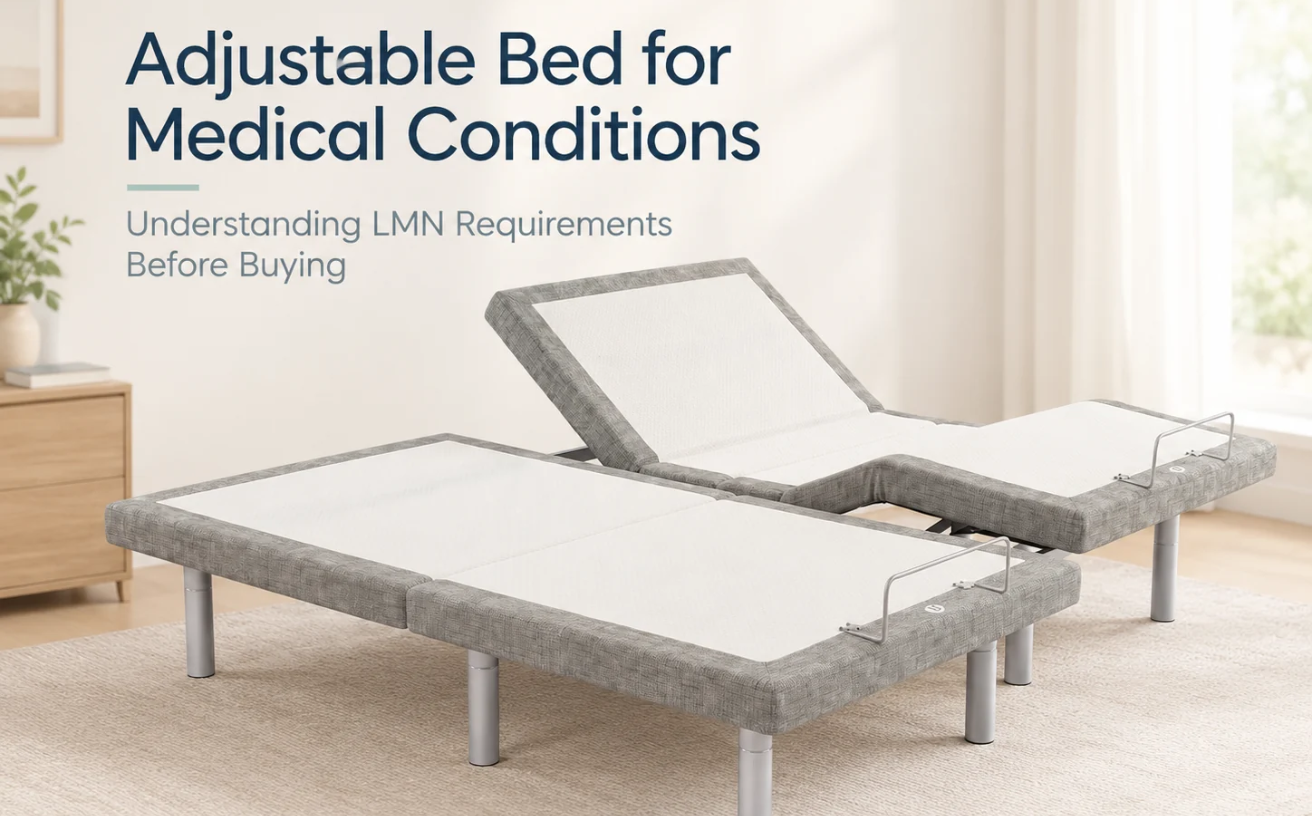
Living with a medical condition can make something as simple as getting a good night’s sleep a daily challenge. People experiencing acid reflux, breathing difficulties, chronic back pain, leg swelling, or mobility limitations may find that lying completely flat or changing positions during the night makes them uncomfortable. An Adjustable Bed for Medical Conditions may be worth considering when raising the head, elevating the legs, or changing sleeping positions could help address individual positioning needs.
However, choosing a bed for medical reasons can involve a significant expense. When you are already managing healthcare costs, purchasing a specialised bed may feel like another financial burden. Fortunately, some people may be able to use healthcare savings to pay for eligible medical expenses, including certain purchases supported by appropriate medical documentation.
This is where Health Savings Account (HSA) and Flexible Spending Account (FSA) funds, along with a Letter of Medical Necessity (LMN), become important. Understanding how these options work before buying can help you explore your choices and plan your purchase more confidently.
What Are HSA and FSA Funds?
If you have heard people talk about paying for healthcare expenses with HSA or FSA funds but are unsure what these terms mean, here is a simple explanation.
A Health Savings Account (HSA) is a tax-advantaged account available to eligible individuals enrolled in a qualifying high-deductible health plan. You can contribute money to the account and use it for qualified medical expenses, subject to applicable rules.
A Flexible Spending Account (FSA) is generally an employer-sponsored benefit that allows employees to set aside money from their pay before taxes for eligible healthcare expenses. The money can then be used for qualifying costs according to the plan’s rules. Depending on the plan, deadlines and restrictions may apply to unused funds.
Both accounts can help reduce the financial impact of healthcare expenses because eligible purchases may be paid for with money that receives favourable tax treatment.
For example, if you regularly pay for doctor visits, prescriptions, and other eligible healthcare needs, you may also want to investigate whether your account could help cover an Adjustable Bed for Medical Conditions when it is medically necessary. The important distinction is that not every product marketed for comfort or wellness automatically qualifies as a medical expense.
The IRS explains the general requirements for medical expenses in its Publication 502. Because eligibility depends on the circumstances and applicable account rules, confirm your situation with your plan administrator before making a purchase.
How Can HSA or FSA Funds Help When Buying an Adjustable Bed?
An adjustable bed can be a considerable investment, particularly when you need specific positioning features to accommodate a medical condition. Using eligible healthcare funds may help reduce how much you need to pay from your regular household budget.
The potential benefit is not simply about buying a more comfortable bed. It is about determining whether the product serves a documented medical purpose and whether your account’s rules permit the expense.
Consider a few examples:
- Nighttime acid reflux: A person with GERD may be advised to elevate the upper body to help manage symptoms during sleep.
- Breathing difficulties: Depending on the diagnosis, a healthcare provider may recommend an elevated sleeping position for certain respiratory or heart-related conditions.
- Chronic back discomfort: Some people with spinal or musculoskeletal conditions may benefit from finding a more suitable resting position.
- Leg swelling: Elevation may be recommended in certain cases involving lower-extremity swelling or circulation-related concerns.
- Mobility challenges: Adjustable positioning may make it easier for some individuals to move between lying, sitting, and other positions.
These examples are circumstances worth discussing with a healthcare provider, not conditions that automatically qualify for reimbursement. Your diagnosis, intended medical use, recommended features, and account administrator’s requirements all matter.
Bloome Home: Exploring an Adjustable Bed for Your Needs
At Bloome Home, we understand that an Adjustable Bed for Medical Conditions may be more than a bedroom upgrade for someone managing ongoing health concerns. The right features can help users find a preferred position more conveniently and make everyday rest more manageable.
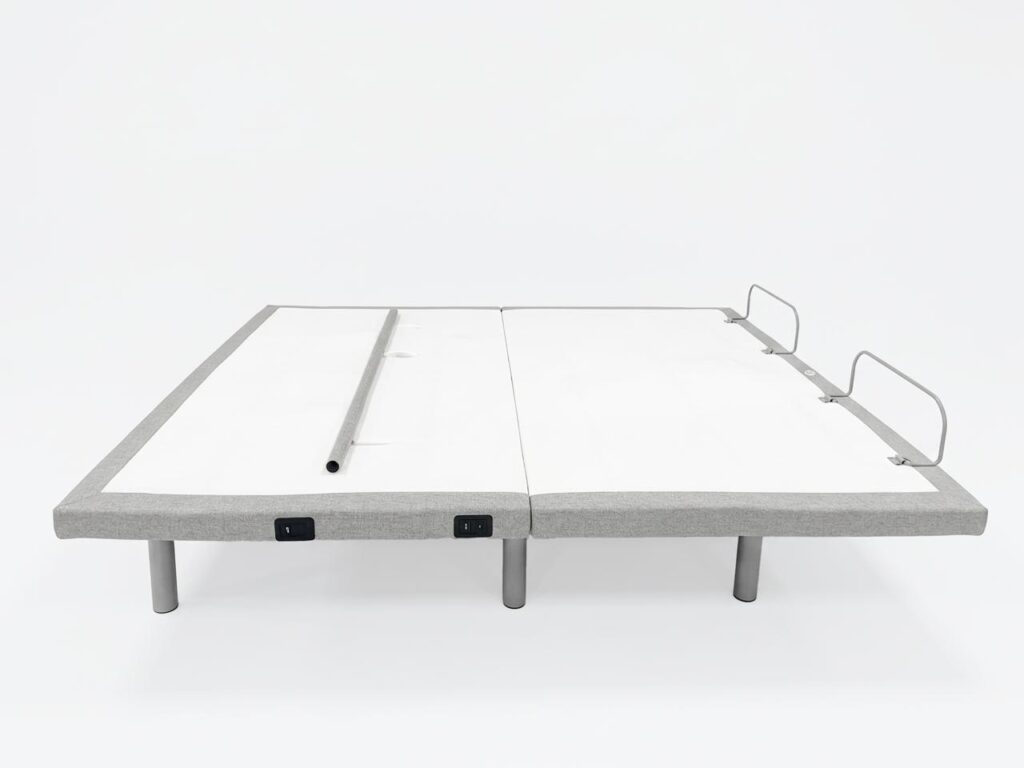
Our adjustable bed bases include features designed with practical use and durability in mind:
- 850-pound weight capacity: Check the product specifications to determine whether the bed meets your requirements.
- Two-times-faster adjustment: Designed to help users reach a preferred position more quickly.
- Three-year full warranty on electronic components: Coverage includes components such as motors, control boxes, charging ports, and remotes.
- Ten-year full steel-frame warranty: Provides long-term coverage for the steel frame.
These features can help you compare options when researching a bed for medical needs. However, product features and warranty coverage do not establish medical necessity or guarantee HSA/FSA eligibility.
If you believe an adjustable bed could help address your needs, the next step is to understand how an LMN works and how to obtain one.
What Is a Letter of Medical Necessity (LMN)?
A Letter of Medical Necessity is documentation prepared by a qualified healthcare provider explaining why a product or service is medically necessary for a particular individual.
When you want to explore using HSA or FSA funds for an Adjustable Bed for Medical Conditions, an LMN may help explain why the bed is needed to address a diagnosed condition rather than simply improve general comfort.
The letter should reflect your actual medical circumstances. It may explain your diagnosis, relevant symptoms, how your condition affects sleeping or positioning, and why particular adjustable-bed functions are appropriate. The provider may also specify how long the equipment is expected to be needed, where relevant.
There is no universal letter that guarantees approval for every adjustable bed purchase. Your account administrator may require a particular form, additional documentation, or other information before deciding whether the expense qualifies.
How Can You Get an LMN for an Adjustable Bed?
You do not need to guess what your letter should say or prepare a medical justification on your own. Start with a healthcare professional who understands your condition and can assess your needs.
1. Schedule an Appointment With Your Healthcare Provider
Speak with your primary care physician or the specialist treating your condition. Depending on your symptoms, this might be a gastroenterologist, pulmonologist, orthopaedic specialist, or another appropriate medical professional.
Explain the difficulties you experience at night, whether certain positions worsen your symptoms, and whether you struggle to get comfortable or change positions. Be specific about how your condition affects your everyday life.
2. Discuss Whether an Adjustable Bed Is Medically Appropriate
Ask whether adjustable positioning could be suitable for your diagnosed condition. Your provider should independently determine whether the equipment is medically necessary and whether its functions are relevant to your care.
If the provider believes an adjustable bed is appropriate, ask whether they can document the recommendation in a Letter of Medical Necessity.
3. Ask What the Letter Needs to Include
Before the letter is prepared, contact your HSA/FSA administrator to ask what documentation it requires. Share those requirements with your healthcare provider.
Depending on the administrator’s process, the letter may need to identify your medical condition, explain the clinical reason for the equipment, specify relevant positioning features, and include the provider’s details, signature, and date.
4. Check Your Eligibility Before Spending the Money
Once you understand the documentation process, ask your account administrator whether the proposed adjustable bed expense may qualify. Confirm whether the letter must be approved before purchase, whether a particular form is required, and how reimbursement claims are submitted.
This step is especially important if you are considering a preorder, deposit, or instalment-based purchase. Approval should not be assumed simply because you can obtain a letter.
5. Keep Your Supporting Documents
Save a copy of the LMN, itemised receipt, product details, payment records, and any correspondence with your administrator. These documents may be needed to support a claim or demonstrate that the expense meets the applicable requirements.
How to Purchase an Adjustable Bed From Bloome Home
Once you have explored your medical needs and checked the account requirements, you can review the available products and decide whether an Adjustable Bed for Medical Conditions suits your circumstances.
Bloome Home’s preorder page explains the current reservation and payment process for the BH9000 adjustable bed base. It also provides information about the company’s LMN assistance process for customers interested in using HSA/FSA funds.
The page describes an option to reserve a bed while pursuing the required documentation. Before placing an order, read the current deposit, cancellation, payment, and delivery terms carefully. A reservation does not itself establish eligibility, and reimbursement is not guaranteed.
For a smoother process:
- Research the adjustable bed and identify the features relevant to your needs.
- Speak with your healthcare provider about medical necessity and documentation.
- Confirm eligibility and payment requirements with your HSA/FSA administrator.
- Review Bloome Home’s current purchase terms and ask questions before committing funds.
- Retain the documentation needed for any eligible reimbursement claim.
Taking these steps can help you make a more informed purchase instead of relying on assumptions about coverage.
Frequently Asked Questions
Can I use HSA funds to buy an adjustable bed?
Possibly, depending on the medical purpose of the purchase, applicable tax rules, and your circumstances. An LMN may support your claim, but you should confirm eligibility with your administrator before purchasing.
Are adjustable beds automatically covered by FSA funds?
No. Having an FSA does not make every adjustable bed an eligible expense. Check your specific plan’s requirements and whether medical documentation is necessary.
Who can provide a Letter of Medical Necessity?
A qualified healthcare provider who evaluates your condition and determines that the equipment is medically necessary may be able to prepare the letter. The provider must document your actual medical needs.
Does an LMN guarantee that my purchase will be reimbursed?
No. The letter provides supporting medical information, but the account administrator determines whether the expense meets the applicable requirements. Obtain confirmation wherever possible before committing your funds.
Take the Next Step Toward More Informed Bed Shopping
Managing a medical condition can already involve time, effort, and ongoing expenses. If an Adjustable Bed for Medical Conditions may help address your positioning needs, understanding HSA/FSA funds and LMN requirements can help you explore your options before purchasing.
Start by speaking with your healthcare provider, checking your account administrator’s rules, and comparing products based on the functions you need. Then explore the adjustable bed options and current purchase information at Bloome Home to decide whether a suitable base fits your needs and budget.
2 comments