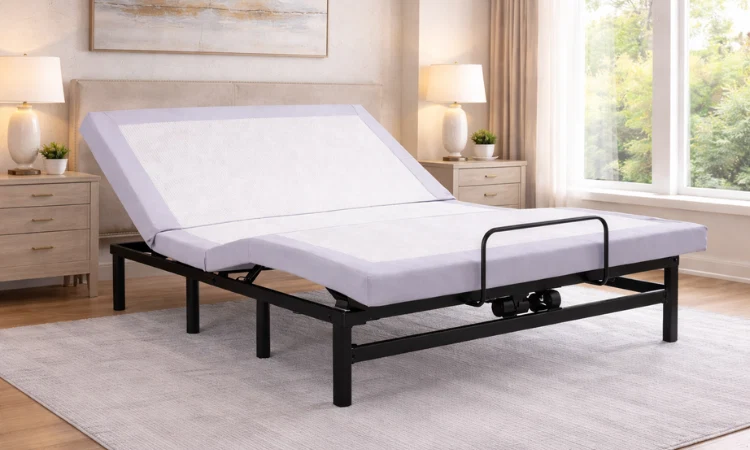
Finding Relief: Adjustable Beds for Back Pain
Living with back pain can transform restful nights into restless struggles. If you've spent countless hours tossing and turning, searching for that perfect position that brings relief, you're not alone. Millions of people worldwide experience chronic back discomfort that disrupts their sleep and diminishes their quality of life.
The solution might be simpler than you think. An adjustable bed offers personalized support that adapts to your body's unique needs, providing targeted relief exactly where you need it most. Unlike traditional flat mattresses that force your spine into unnatural positions, adjustable beds empower you to find optimal alignment and comfort at the touch of a button.
In this comprehensive guide, we'll explore everything you need to know about selecting the best adjustable bed for back pain relief, with special attention to why Bloome Home innovative adjustable bases stand out in the crowded marketplace.
Interactive Bed Position
Use the controls below to see how different positions can help alleviate back pain. Adjust the head and leg sections to find optimal comfort.
Preset Positions:
Understanding Back Pain and Sleep
Back pain affects daily activities and significantly impacts sleep quality. The relationship between sleep and back pain creates a challenging cycle: pain disrupts sleep, and poor sleep intensifies pain perception. Breaking this cycle requires addressing both the source of discomfort and your sleeping environment.
Common Causes of Back Pain
Several factors contribute to back discomfort:
- Structural Issues: Herniated discs, degenerative disc disease, spinal stenosis, and spondylolisthesis can all cause persistent pain. These conditions involve structural changes in the spine that create pressure on nerves and surrounding tissues.
- Lifestyle Factors: Poor posture while sitting or standing, prolonged periods of inactivity, and inadequate core strength contribute significantly to back problems. Modern sedentary lifestyles have made these issues increasingly common.
- Sleep-Related Problems: Sleeping on an unsupportive mattress or in positions that don't maintain natural spinal alignment can cause or worsen back pain. Traditional flat beds often fail to accommodate the spine's natural curves.
- Medical Conditions: Arthritis, osteoporosis, and fibromyalgia can manifest as chronic back discomfort. These conditions often require specialized support during rest.
Understanding the underlying cause of your back pain helps determine whether an adjustable bed would benefit your specific situation. While adjustable beds can't cure structural problems, they can significantly reduce discomfort by supporting your spine in therapeutic positions throughout the night.
How Adjustable Beds Relieve Back Pain
Adjustable beds address back pain through multiple mechanisms, working together to create a supportive and comfortable sleeping environment. Here's how they provide relief:
Superior Spinal Alignment
The spine has natural curves that need proper support during sleep. When lying flat on a traditional mattress, these curves often don't receive adequate support, leading to muscle tension and discomfort. Adjustable beds allow you to elevate different sections to maintain these natural curves.
By raising the head slightly and elevating the knees, adjustable beds help keep your spine in a neutral position. This reduces strain on the vertebrae, discs, and surrounding muscles. The ability to find and maintain optimal spinal alignment throughout the night can dramatically reduce morning stiffness and pain.
Pressure Point Reduction
Traditional flat mattresses create pressure points where your body's weight concentrates on specific areas, particularly at the shoulders, hips, and lower back. Over time, this pressure can lead to discomfort and interrupted sleep.
Adjustable beds distribute body weight more evenly across the sleeping surface. By elevating the legs, you reduce pressure on the lower back. Raising the upper body slightly takes weight off the shoulders and hips. This redistribution of pressure helps alleviate pain and allows muscles to relax more completely.
Enhanced Blood Circulation
Poor circulation can contribute to pain and discomfort, particularly in the lower back and legs. Adjustable beds promote better blood flow by allowing elevation of the legs, which helps reduce swelling and inflammation.
Improved circulation delivers more oxygen and nutrients to tissues while removing metabolic waste products more efficiently. This enhanced circulation can reduce inflammation around painful areas and support the body's natural healing processes.
Customizable Support for Different Conditions
Different back conditions benefit from different sleeping positions:
- Spinal Stenosis: Individuals with narrowing of the spinal canal often find relief when sleeping with the upper body slightly elevated. This position reduces pressure on compressed nerve roots.
- Degenerative Spondylolisthesis: Elevating both the head and knees can help reduce discomfort from this condition where one vertebra slips forward over another.
- Sciatica: Raising the knees helps relieve pressure on the sciatic nerve, reducing radiating pain down the legs.
- Osteoarthritis: Morning stiffness associated with spinal arthritis can be reduced when sleeping on an adjustable base that minimizes joint compression throughout the night.
The flexibility to adjust positions based on your specific condition makes adjustable beds particularly valuable for back pain management.
Zero-Gravity Position Benefits
Many modern adjustable beds feature a zero-gravity preset position, originally developed by NASA. This position elevates both the head and legs to create a weightless sensation that distributes pressure evenly across the body.
In zero-gravity position, the spine maintains its natural alignment while pressure on the vertebrae is minimized. Many people with back pain find this position particularly comfortable for both sleeping and relaxing. The reduced pressure on the spine and improved circulation make zero-gravity an excellent option for pain management.
Key Features to Look for in an Adjustable Bed for Back Pain
Not all adjustable beds are created equal. When shopping for the best adjustable bed for back pain relief, focus on these essential features:
- Independent Head and Foot Adjustment: The ability to adjust the head and foot sections independently is crucial. This allows you to fine-tune your position to find the exact angle that provides maximum relief. Look for beds that offer a wide range of adjustment angles, typically from flat to 60 degrees for the head and at least 45 degrees for the feet.
- Lumbar Support Options: Some advanced adjustable beds include dedicated lumbar support adjustment. This feature allows you to add targeted support specifically to the lower back region, addressing one of the most common pain areas. Adjustable lumbar support can make a significant difference for those with chronic lower back issues.
- Motor Quality and Speed: High-quality motors ensure smooth, quiet adjustment that won't disturb your sleep or your partner's. The Bloome Adjustable Bed features powerful motors that adjust positions twice as fast as many competitors, allowing you to quickly find comfortable positions without lengthy waiting.
- Weight Capacity and Durability: A robust frame with substantial weight capacity ensures long-term reliability and stable support. The Bloome Adjustable Bed supports up to 1,000 pounds while being 50% lighter than comparable models, combining strength with ease of setup and movement.
- Massage Functionality: Many people find that massage features help relax tense muscles before sleep. Full-body vibration massage with multiple intensity levels can help reduce muscle tension that contributes to back pain. While not essential for everyone, massage can be a valuable feature for comprehensive pain management.
- Programmable Memory Positions: Preset positions and programmable memory settings allow you to save your favorite configurations. This means you can instantly return to positions you know work well for your back pain, without manually adjusting each time. Look for beds with at least 2-4 programmable positions.
- Remote Control Options: A wireless remote with intuitive controls makes adjustments effortless. Some modern adjustable beds also offer smartphone apps or voice control options, providing maximum convenience when you need to adjust your position.
- Emergency Backup Power: Power outages shouldn't leave you stuck in an uncomfortable position. Emergency battery backup allows you to lower the bed to a flat position even during power failures, ensuring you're never trapped in an elevated position.
- Zero Clearance Design: Zero clearance design means the adjustable base can fit inside most existing bed frames, preserving your bedroom aesthetic while adding functionality. This feature is particularly valuable if you want to keep your current bedroom furniture.
Choosing the Right Mattress for Your Adjustable Bed
The mattress you pair with your adjustable bed significantly impacts back pain relief. Not all mattresses work well with adjustable bases, so understanding compatibility is essential.
Best Mattress Types for Adjustable Beds
Memory Foam Mattresses: These contour to your body's shape and respond well to the bending required by adjustable bases. Memory foam provides excellent pressure relief and supports proper spinal alignment. It's particularly effective for individuals with chronic back pain who need conforming support.
Latex Mattresses: Natural and synthetic latex offer responsive support while maintaining the flexibility needed for adjustable bases. Latex provides excellent pressure relief while being more responsive than memory foam. It's ideal for those who want contouring without the "sinking in" sensation.
Hybrid Mattresses: Combining innerspring coils with foam or latex layers, hybrid mattresses offer a balance of support, bounce, and flexibility. The coil system provides responsive support while the comfort layers contour to your body. Hybrids work well with adjustable bases when designed with this purpose in mind.
Mattresses to Avoid
Traditional innerspring mattresses with rigid coil systems don't flex well and can be damaged by the bending motion of adjustable bases. If you have a traditional innerspring mattress, you'll likely need to replace it when upgrading to an adjustable bed.
Key Finding
Studies show that sleepers using adjustable beds report up to 40% reduction in back pain intensity and 35% improvement in sleep quality compared to traditional flat beds. The ability to customize sleeping position has been clinically shown to improve spinal alignment and reduce pressure points.
Optimal Sleeping Positions for Back Pain Relief
Understanding how to use your adjustable bed effectively maximizes its pain-relieving benefits. Here are the most therapeutic positions:
- Zero-Gravity Position: This position elevates both your head and feet, creating a neutral spine position that distributes pressure evenly. Your knees sit slightly above your heart, promoting circulation while your back maintains its natural curves. Many people find zero-gravity the most comfortable position for both sleeping and relaxing.
- Elevated Upper Body: Raising the head of your bed 30 to 45 degrees can help if you experience upper back pain, neck pain, or conditions like acid reflux that can disturb sleep. This position reduces pressure on the upper spine and keeps airways open, potentially reducing snoring.
- Elevated Legs: Raising just your legs and knees helps relieve lower back pressure by reducing the strain on lumbar vertebrae and discs. This position is particularly beneficial for sciatica sufferers, as it reduces pressure on the sciatic nerve.
- Combination Positioning: Many people achieve optimal comfort by combining head and leg elevation. A slightly raised head with moderately elevated knees often provides comprehensive relief by maintaining spinal alignment while reducing pressure throughout the back.
- Side Sleeping with Support: If you sleep on your side, slight elevation of the upper body can reduce pressure on hips and shoulders. Placing a pillow between your knees while using leg elevation can further enhance comfort and spinal alignment.
"The zero-gravity position on my adjustable bed has been life-changing. After years of chronic lower back pain, I finally wake up without stiffness for the first time in decades." — Sarah M., Verified User
Frequently Asked Questions
Flexible mattresses like memory foam, latex, or hybrid designs work best with adjustable beds. Traditional innerspring mattresses typically aren't compatible because their rigid structure doesn't flex appropriately. Check with your mattress manufacturer if you're unsure about compatibility.
Results vary by individual. Some people notice immediate improvement in comfort and sleep quality, while others may take several weeks to find their optimal positions and experience significant pain reduction. Consistency is key—use your adjustable bed regularly and experiment with different positions.
Absolutely. Many adjustable beds come in split king configurations, allowing each partner to adjust their side independently. This is ideal when partners have different comfort needs or one person has back pain while the other doesn't.
Prices range from several hundred to several thousand dollars, depending on features, size, and brand. Bloome Home offers premium features at competitive prices, making therapeutic sleep support more accessible.
Yes. Adjustable beds can help with numerous conditions including acid reflux, sleep apnea, snoring, circulation problems, arthritis, and recovery from surgery. The ability to customize your sleeping position provides benefits beyond back pain relief.
Taking the Next Step Toward Better Sleep
Living with back pain doesn't have to mean living with sleepless nights. An adjustable bed offers a practical, effective solution that addresses pain at its source by supporting proper spinal alignment and reducing pressure on painful areas.
The Bloome Home Adjustable Bed combines innovative engineering with thoughtful design to deliver exceptional back pain relief. Its lightweight yet robust construction, rapid adjustment speed, comprehensive features, and exceptional value make it an outstanding choice for anyone seeking to improve their sleep quality and reduce back discomfort.
Remember that the best adjustable bed for back pain is the one that meets your specific needs. Consider your primary pain areas, sleeping position preferences, desired features, and budget when making your decision. With the right adjustable bed, you can transform your bedroom into a therapeutic environment that supports healing and rejuvenation.
Quality sleep isn't a luxury—it's essential for health, well-being, and daily functioning. If back pain has been robbing you of restful nights, an adjustable bed might be the solution you've been searching for. Invest in your sleep, invest in your health, and wake up ready to embrace each day with less pain and more energy.
Learn More About Bloome Home Beds